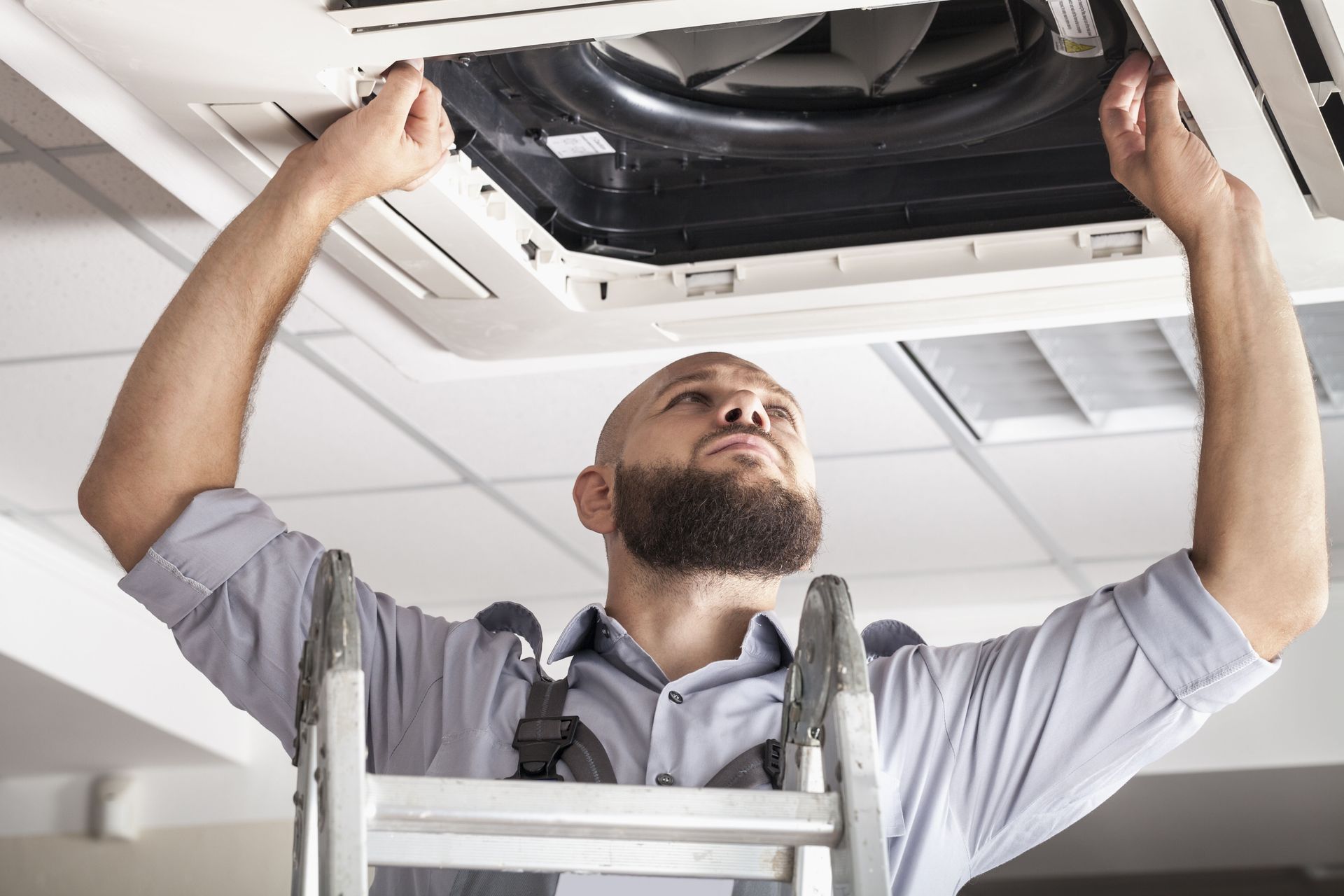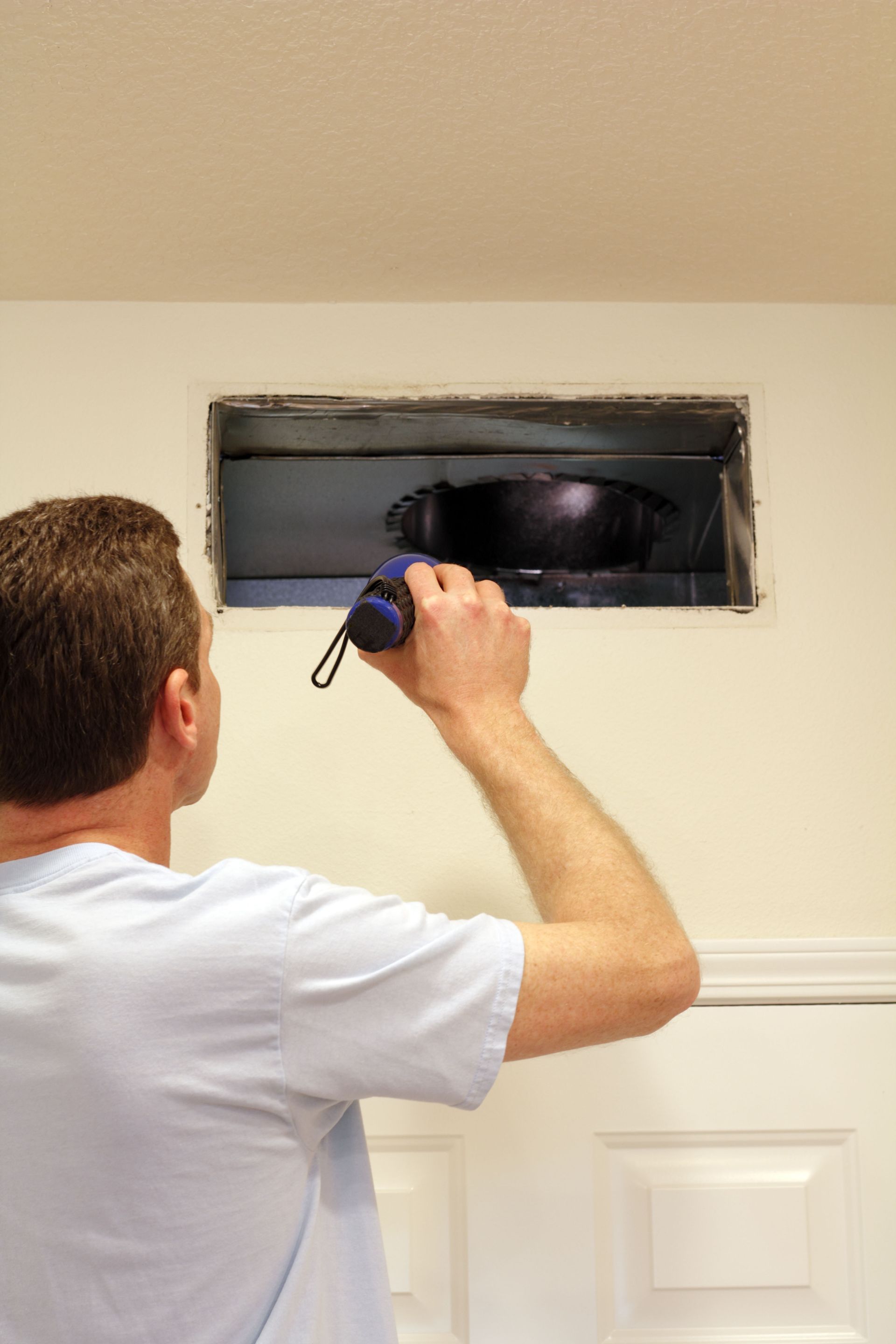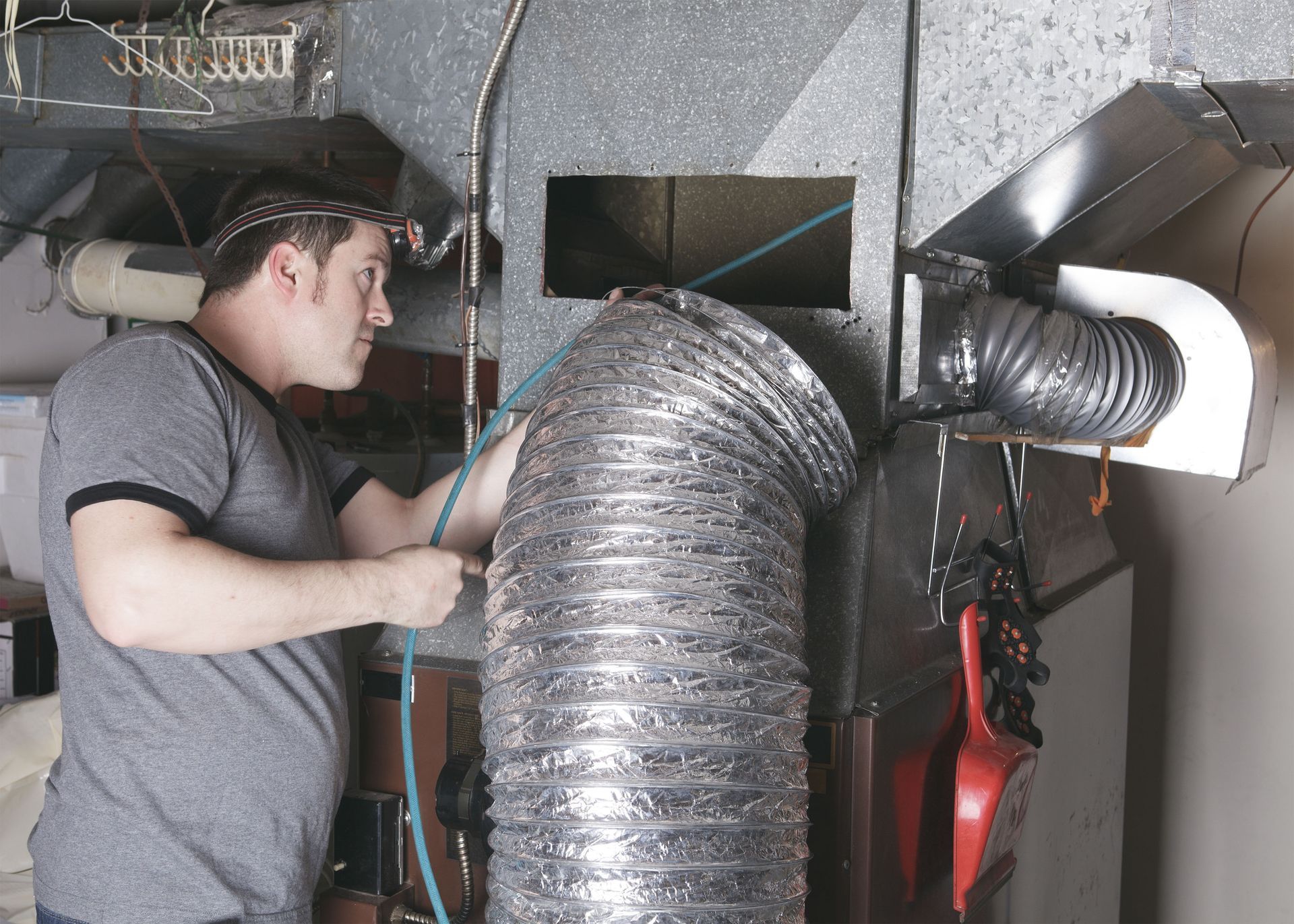
Maintaining a comfortable, healthy, and energy-efficient indoor living environment requires a reliable climate control system operating at peak performance throughout changing seasons. Heating, ventilation, and air conditioning equipment represents a major mechanical investment within any residential or commercial property. However, many property owners overlook routine ventilation care until unexpected system breakdowns occur or utility bills spike dramatically. Over months and years of continuous operation, indoor air channels accumulate heavy layers of household dust, pet dander, pollen, mold spores, and construction debris. This buildup restricts system airflow, forcing blowers to work harder and consume excessive electricity to maintain set indoor temperatures. According to Workyard, U.S. consumers spend $10B+ annually on HVAC repairs and maintenance. Partnering with certified ventilation hygiene specialists restores unrestricted airflow, optimizes mechanical efficiency, and extends the operational lifespan of expensive heating and cooling machinery. Understanding how professional ventilation care enhances climate system performance empowers property owners to make informed decisions regarding preventive maintenance, energy conservation, and indoor environmental health. Establishing a proactive ventilation maintenance strategy protects your financial investment, preserves mechanical longevity, and ensures year-round household comfort across every room in your building. Taking time to maintain clean air channels prevents costly mechanical repairs and ensures a seamless flow of fresh, conditioned air throughout your property.
Eliminating Airflow Resistance and Reducing Blower Motor Strain
Accumulated dust, pet hair, and particulate debris inside air ducts create significant physical resistance against circulating air streams. When ventilation pathways become restricted, blower fans must exert far more energy to push conditioned air through branch lines into living spaces. This continuous mechanical strain accelerates component wear, elevates motor operating temperatures, and inflates monthly utility expenses. Professional duct cleaners utilize high-powered vacuum equipment, rotary brushes, and air whips to scour interior duct surfaces clean. Removing stubborn debris buildup eliminates static pressure resistance, allowing blower motors to operate smoothly within original factory parameters. Furthermore, unimpeded airflow enables climate systems to reach desired thermostat settings faster, reducing total daily run times significantly. Clearing physical obstructions restores proper system ventilation, protects sensitive blower assemblies from premature failure, and delivers immediate energy savings across every heating and cooling cycle. High-efficiency vacuum systems pull loosened debris directly into sealed containment tanks, preventing dust from re-entering indoor living quarters during processing. Establishing a regular duct cleaning schedule keeps static pressure low and optimizes blower motor performance year-round.
Restoring Heat Transfer Efficiency on Evaporator and Condenser Coils
Dust and organic particulate matter originating inside dirty return air ducts eventually travel toward internal heating and cooling coils. As airborne debris settles over delicate evaporator and condenser coil fins, it creates an insulating blanket that severely impairs heat exchange performance. When coils cannot transfer heat efficiently, refrigeration cycles drag on far longer, wasting substantial electrical power and risking compressor burnouts. Contracting for specialized duct cleaners ensures that return plenums and coil housings are thoroughly cleaned alongside main air pathways. Removing insulating dust layers from thermal heat exchangers restores rapid energy transfer, allowing refrigerants to absorb and release heat at maximum efficiency. Furthermore, clean coils prevent dangerous frost accumulation on cooling components, protecting system refrigeration circuits from severe pressure imbalances. Optimizing heat transfer dynamics lowers operational costs, improves cooling responsiveness, and safeguards expensive compressor machinery. Removing biological film from evaporator drain pans prevents standing water accumulation and eliminates secondary drain line clogs. Clean coil surfaces maintain ideal refrigeration pressure and reduce total energy consumption during peak summer months.
Preventing Mold Growth and Eliminating Organic Contaminants
Excess humidity combined with organic dust deposits inside dark ventilation channels creates an ideal breeding environment for mold, mildew, and bacterial colonies. As climate systems operate, air currents distribute microscopic fungal spores and volatile organic compounds throughout living areas, causing unpleasant odors and respiratory irritation. Microscopic mold growth also forms sticky biological films along duct walls that trap additional dust and further constrict airflow pathways. Engaging experienced duct cleaners involves applying botanical sanitizing agents and EPA-registered antimicrobial treatments directly within air channels. Thorough sanitization neutralizes biological growth, eliminates stubborn musty odors, and stops mold spores from re-contaminating interior spaces. Furthermore, removing organic feeding grounds prevents biological matting over supply registers and internal dampers. Eliminating microbial hazards protects household health, preserves clean air pathways, and maintains peak ventilation efficiency throughout humid seasonal weather. Applying protective sealant coatings over porous duct insulation prevents fiber degradation and stops microscopic particles from shedding into air streams. Maintaining sanitized ventilation channels protects household health and preserves clean indoor air pathways.
Balancing Static Pressure Across Branch Supply Lines
Unbalanced airflow across different rooms often stems from localized dust clogs, dropped construction debris, or restricted branch dampers inside air channels. When specific supply lines become blocked, static pressure within the duct network shifts unexpectedly, causing uneven heating and cooling distribution across the building. Rooms farthest from the central air handler suffer from weak airflow, prompting occupants to lower thermostat settings further and waste additional energy. Hiring certified duct cleaners includes inspecting branch junctions, clearing localized obstructions, and verifying that supply registers remain fully open and unobstructed. Re-establishing balanced static pressure ensures even air distribution to every room, eliminating hot or cold spots throughout your residence. Furthermore, balanced duct pressure prevents air leakage through stressed duct seams, keeping treated air inside conditioned living spaces where it belongs. Sealing loose duct joints with professional mastic foil tape prevents conditioned air from escaping into unheated attics or basement crawlspaces. Balanced duct systems maintain uniform room temperatures and reduce overall heating and cooling expenditures.
Protecting Sensitive System Sensors and Electronic Controls
Modern high-efficiency climate systems rely on sensitive electronic sensors, static pressure monitors, and automated dampers to adjust heating and cooling output precisely. When dust and fine debris accumulate over sensor probes, electronic controls receive inaccurate readings, leading to short-cycling, improper fuel combustion, or delayed system activation. Short-cycling causes severe mechanical stress as motors draw massive electrical surge currents during frequent restarts. Partnering with professional duct cleaners ensures that internal control housings, sensor probes, and automated dampers are meticulously cleaned and cleared of airborne grime. Restoring accurate sensor feedback allows electronic control boards to regulate system cycles accurately, maximizing fuel efficiency and preventing unnecessary mechanical starts. Protecting delicate electronic controls ensures seamless operational automation, reduces energy waste, and extends overall system reliability. Routine electronic maintenance ensures that automated zone dampers open and close smoothly without mechanical binding or electrical resistance. Accurate control monitoring optimizes fuel usage and preserves stable indoor temperature levels across all zones.
Comprehensive care of your property's air duct infrastructure represents an essential investment in mechanical efficiency, energy conservation, indoor air quality, and overall equipment longevity. Eliminating airflow resistance, restoring coil heat transfer, neutralizing mold growth, balancing static pressure, protecting electronic controls, and reducing mechanical strain ensure your heating and cooling equipment operates at peak performance. Prioritizing routine duct sanitation prevents unexpected equipment failures, lowers monthly energy expenditures, and delivers clean, comfortable air across every living space. Protecting your ventilation network transforms your climate control system into a reliable, cost-effective source of year-round comfort. Proactive indoor air management protects your real estate investment and lowers utility expenditures.
At Alpha Air Corporation, our dedicated team brings deep technical expertise, state-of-the-art source removal equipment, and an unwavering commitment to quality on every ventilation project we manage, ensuring your climate control system remains efficient, clean, and fully operational through every season. Contact us today to schedule your comprehensive duct evaluation and experience the lasting benefits of expert indoor air quality service.